


Saintpaulia Ionantha
🌿 Quick Facts
- Scientific Name: Saintpaulia ionantha
- Common Name: African Violet
- Plant Type: Tropical flowering perennial
- Native Region: Eastern Africa (Tanzania, Kenya)
- Light: Bright, indirect light
- Watering: Keep soil lightly moist, never soggy
- Soil: Light, airy, well-draining, slightly acidic mix
- Propagation: Leaf cuttings or crown division
African Violet Complete Care Guide
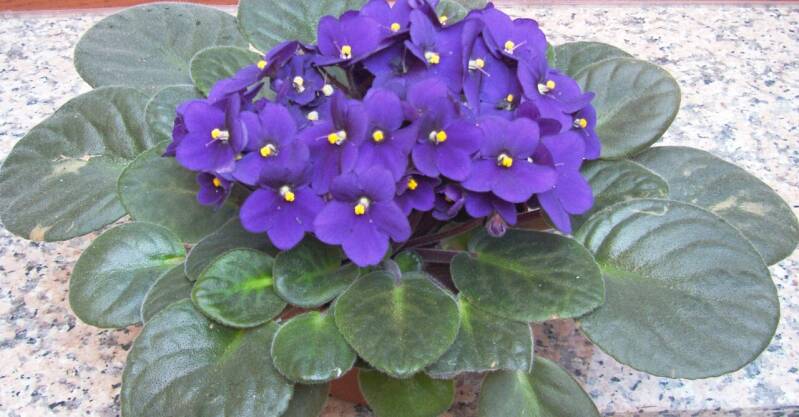
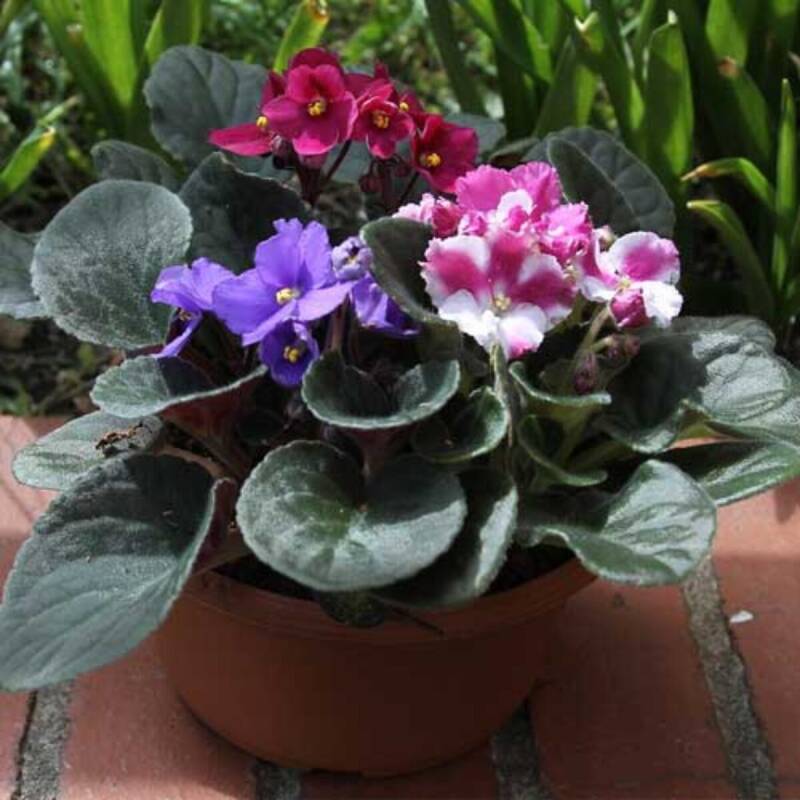
African Violet (Saintpaulia ionantha) is a compact, flowering houseplant known for its soft, velvety leaves and clusters of delicate blooms in shades of purple, pink, white, and blue. Despite its small size, it can flower repeatedly throughout the year when conditions are right, making it one of the most rewarding indoor flowering plants.
It is a popular choice for indoor gardeners because of its manageable size, long blooming period, and ability to thrive in stable indoor environments without needing direct sunlight.
This plant fits well into both indoor plant collections and homestead environments, especially on shelves, windowsills, and small decorative spaces.
🌍 Natural Habitat
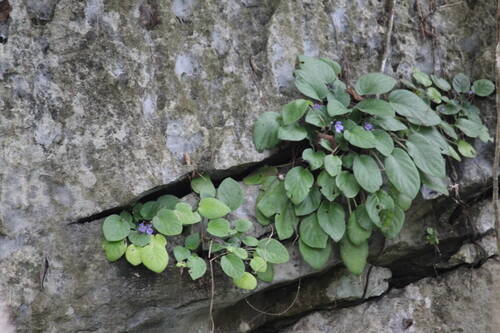
African Violet is native to the mountainous regions of eastern Africa, particularly Tanzania and Kenya, where it grows in shaded, humid environments on rocky slopes and forest edges.
In its natural habitat, it experiences warm temperatures, filtered light beneath tree canopies, and consistent moisture from humidity and light rainfall. The soil is typically loose, organic-rich, and well-draining, often forming in crevices rather than dense ground.
These conditions explain why the plant prefers indirect light, high humidity, and careful watering when grown indoors.
Understanding its native environment helps prevent common issues like leaf damage, poor blooming, or root rot.
☀️ Light Requirements
African Violet thrives in bright, indirect light but is sensitive to harsh sun exposure.
- Ideal placement: North- or east-facing window, or filtered light from a brighter window
- Too much light: Direct sun can burn leaves and cause pale, damaged spots
- Too little light: Leads to weak growth and reduced or absent flowering
Consistent, gentle lighting is essential for reliable blooming. Rotating the plant occasionally helps maintain even growth and symmetrical leaf formation.
💧 Watering
African Violet requires careful watering due to its sensitive crown and soft foliage.
- Water when: The top layer of soil feels slightly dry
- Watering method: Bottom watering is preferred to avoid wetting leaves
- Reduce watering: Slightly in cooler months when growth slows
- Overwatering: Can quickly lead to crown rot and root decay
- Underwatering: Causes drooping leaves and reduced flowering
Water temperature matters—lukewarm water is best to avoid shocking the roots.
Keeping leaves dry is important, as water droplets can cause spotting or damage.
🌱 Soil & Drainage
This plant requires a light, airy, and well-draining soil mix to support delicate roots.
Recommended mix:
- African violet potting mix or light houseplant mix (base)
- Perlite for aeration
- Peat moss or coco coir for moisture retention
- Optional: small amount of vermiculite for balance
The goal is to maintain consistent moisture without creating compact, waterlogged conditions.
A shallow pot with drainage holes is ideal for healthy root development.
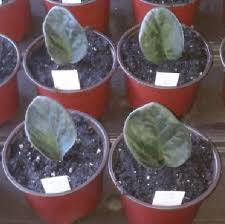
🌿 Propagation
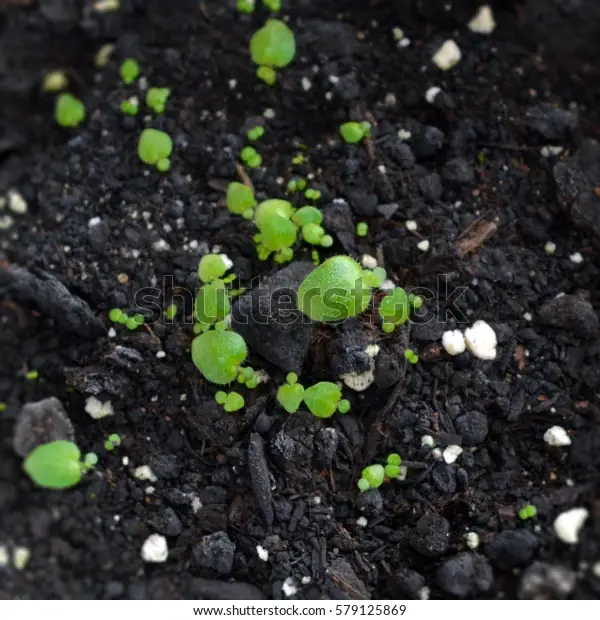
African Violet is commonly propagated using leaf cuttings or division.
Leaf cutting method:
- Select a healthy, mature leaf
- Cut the stem at an angle
- Place in water or moist soil
- Keep in warm, humid conditions with indirect light
- Wait for small plantlets to form at the base
Division method:
- Gently separate multiple crowns from a mature plant
- Ensure each section has roots attached
- Replant in fresh soil
- Water lightly and maintain humidity
Propagation is reliable and allows you to preserve favorite flower colors and forms.
🌡 Temperature & Environment
African Violet prefers stable indoor conditions.
- Ideal temperature range: 65–75°F
- Humidity: Moderate (40–60% ideal)
- Indoor vs outdoor: Best grown indoors year-round
- Avoid: Cold drafts, sudden temperature changes, and temperatures below 60°F
Consistency is key—fluctuations in temperature or humidity can reduce blooming.
Grouping plants or using a humidity tray can help maintain ideal conditions.
🌿 Growth Habit
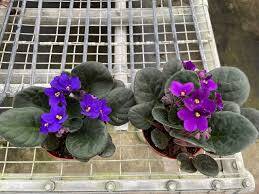
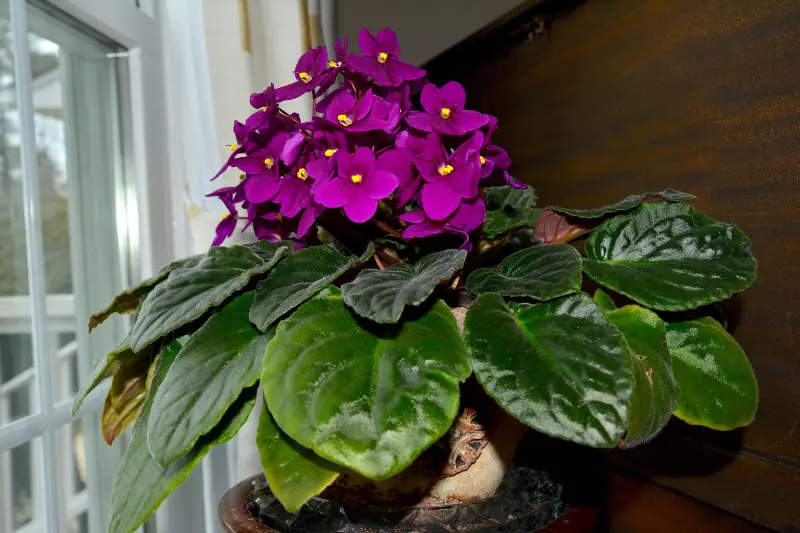
African Violet grows as a compact rosette-forming plant.
- Growth speed: Moderate
- Mature size: 6–12 inches wide
- Growth pattern: Low, symmetrical rosette with central flowering
With proper care, it can bloom multiple times a year and maintain a tidy, compact shape.
Regular removal of spent flowers encourages continuous blooming.
Thank you for exploring The Botanical Index, a growing botanical library dedicated to organizing plant knowledge in one place.
New plant profiles are added regularly as this index continues expanding. Your curiosity and support help this botanical resource continue to grow.
🌿 Follow along on YouTube and Facebook for daily plant content, care guides, and updates as we continue building this botanical library and homestead journey together.
Add comment
Comments