


Begonia rex
🌿 Quick Facts
-
Scientific Name: Begonia rex
-
Common Name: Rex Begonia
-
Plant Type: Foliage houseplant
-
Native Region: Southeast Asia (India, Myanmar)
-
Light: Bright indirect light
-
Watering: Keep soil evenly moist, avoid waterlogging
-
Soil: Well-draining, light, airy mix
-
Propagation: Leaf cuttings, stem cuttings
Begonia rex Care Guide
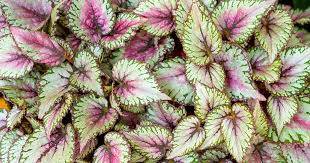
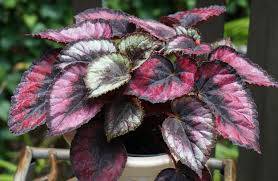
The Begonia rex, commonly called Rex Begonia, is one of the most visually striking indoor plants available. Celebrated for its colorful, patterned leaves that range from deep purples and reds to silvers and greens, this plant is a favorite among collectors and indoor gardening enthusiasts alike. Unlike many other begonias, Rex Begonias are grown primarily for their foliage rather than flowers.
This plant is perfect for indoor settings, where it can add a dramatic pop of color and texture to shelves, tabletops, or hanging displays. While it has specific care needs, it rewards attentive plant owners with long-lasting, vibrant leaves that can transform any indoor space.
🌍 Natural Habitat
Rex Begonias are native to tropical regions of Southeast Asia, particularly India and Myanmar. In their natural environment, they grow on forest floors where they receive filtered sunlight and thrive in humid, warm conditions.
Understanding their natural habitat helps explain why they prefer bright indirect light, high humidity, and well-draining, moisture-retentive soil.

☀️ Light Requirements
Rex Begonias flourish in bright, indirect light. Too much direct sunlight can scorch their delicate leaves and fade their vibrant patterns, while too little light can cause slower growth and duller leaf coloration.
Ideal placement is near a north or east-facing window or in a room with filtered light. If growing under artificial light, use a fluorescent or LED grow light for 12–14 hours per day to maintain leaf vibrancy.
💧 Watering
Rex Begonias like evenly moist soil but do not tolerate waterlogged conditions. Over watering can lead to root rot, while letting the soil dry out completely may cause leaf curling or wilting.
Tips for watering:
-
Water when the top 1 inch of soil is dry
-
Avoid wetting the leaves directly
-
Reduce watering in winter when growth slows


🌱 Soil & Drainage
Begonia rex prefers a light, airy, and well-draining soil mix. A good mixture is:
-
2 parts peat moss or coco coir
-
1 part perlite
-
1 part orchid bark
This mix retains moisture but prevents excess water from pooling at the roots, which is essential for preventing rot.
🌿 Propagation
Rex Begonias are most commonly propagated through leaf cuttings, though stem cuttings can also be used.
Leaf Cutting Method:
-
Cut a healthy leaf with part of the petiole attached.
-
Place the cutting on moist soil or in water until roots form.
-
Keep it in bright, indirect light and maintain high humidity.
New plants will often form at the veins of the leaf, allowing multiple new plants from a single leaf.
.

🌡 Temperature & Humidity
-
Temperature: 65–75°F (18–24°C)
-
Humidity: 50–70%
Rex Begonias thrive in high humidity environments. Dry indoor air can cause browning edges or leaf curling, so consider using a humidifier or placing the plant on a tray with water and pebbles to maintain moisture around the leaves.
🌿 Growth Habit
Rex Begonias are compact, rhizomatous plants that typically grow 12–18 inches tall with a similar spread. They form rosettes of large, patterned leaves, making them ideal as accent plants in indoor spaces.
While the flowers are small and often insignificant, the foliage is the true highlight. With proper care, leaves will continue to produce new growth, keeping the plant lush and vibrant year-round.

Thank you for exploring the Begonia rex care guide with The Botanical Index, your growing botanical library.
🌿 Follow us on YouTube and Facebook for daily plant tips and care guides to help your indoor garden thrive.
Add comment
Comments