


Quick Facts
Scientific Name: Epipremnum aureum
Common Names: Pothos, Devil’s Ivy, Golden Pothos
Plant Type: Tropical vining plant
Native Region: Southeast Asia and Pacific Islands
Light: Bright indirect light; tolerates lower light conditions
Watering: Water when the top 2 inches of soil become dry
Soil: Well-draining indoor potting mix
Humidity: Prefers moderate humidity but adapts well
Propagation: Stem cuttings in water or soil
Growth Habit: Trailing or climbing vine
Mature Indoor Length: Vines can exceed 10 feet indoors
POTHOS PLANT CARE GUIDE

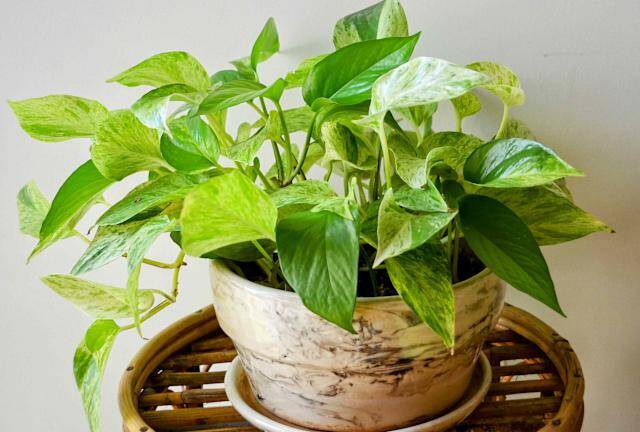
If there’s one plant I believe belongs in every home, it’s the Pothos. Scientifically known as Epipremnum aureum, and often called Devil’s Ivy, this trailing tropical vine has earned its reputation as one of the easiest and most rewarding houseplants you can grow.
But here’s the truth: while Pothos is beginner-friendly, truly thriving plants don’t happen by accident. They happen when you understand where the plant comes from, what it naturally needs, and how to avoid the quiet mistakes that slowly weaken it over time.
So let’s cover everything.
Where the Pothos Plant Comes From
Pothos is native to the tropical regions of Southeast Asia and the Solomon Islands. In the wild, it grows in warm, humid rainforests where it climbs tall trees using aerial roots. It can also trail along the forest floor, stretching toward filtered sunlight breaking through the canopy above.
Because of this natural habitat, we can learn three very important things:
-
It prefers bright, indirect light
-
It enjoys warm temperatures
-
It needs well-draining soil, not soggy conditions
In tropical outdoor environments, Pothos can grow incredibly large leaves and thick stems. Indoors, we keep it smaller and more controlled — but its natural climbing instinct never goes away.


Light Requirements: How Much Is Enough?
Pothos grows best in bright, indirect light.
A spot near a window with filtered sunlight is perfect. East-facing windows are wonderful. South- or west-facing windows work too, as long as the light isn’t harsh and direct.
Here’s what happens in different lighting situations:
-
Bright indirect light: Fast growth, strong variegation, full vines.
-
Low light: Slower growth, smaller leaves, loss of variegation.
-
Direct sun: Scorched, bleached, or crispy leaves.
While it can survive in low light, survival and thriving are not the same thing. If your Pothos becomes long and leggy with wide spacing between leaves, it’s usually asking for more light.
Watering: The Most Common Mistake
Overwatering is the number one way people accidentally harm their Pothos.
This plant prefers to dry out slightly between waterings.
Here’s the simple rule I follow:
Check the top one to two inches of soil. If it feels dry, water thoroughly until water drains from the bottom.
Never let the plant sit in standing water. Always empty the saucer.
Signs of overwatering:
-
Yellowing leaves
-
Mushy stems
-
Persistent wet soil
-
Root rot smell
Signs of underwatering:
-
Drooping vines
-
Thin, curling leaves
-
Dry, pulling soil
In most homes, watering every 7–10 days works well, but always check the soil instead of following a strict schedule.


Soil and Potting Needs
Pothos thrives in well-draining potting soil.
A standard indoor potting mix works well, especially if you mix in perlite for extra aeration. The goal is airflow around the roots.
Always use a pot with drainage holes. This is non-negotiable.
Repot when:
-
Roots are circling the bottom
-
Water runs straight through too quickly
-
Growth has noticeably slowed
Usually, repotting every 1–2 years is sufficient.
Temperature and Humidity
Pothos prefers temperatures between 65°F and 85°F.
It tolerates average household humidity but appreciates slightly higher moisture in the air. If your home is very dry in winter, a humidifier or grouping plants together can help.
Keep it away from:
-
Cold drafts
-
Heating vents
-
Air conditioning blasts
Sudden temperature drops can stress the plant.

Growth, Pruning, and Training
One of the most beautiful things about Pothos is its versatility.
You can:
-
Let it trail from shelves
-
Hang it in baskets
-
Train it up a moss pole
-
Wrap it along a wall
If the vines become long and sparse, trim just above a node (where the leaf meets the stem). This encourages branching and fuller growth.
And here’s something wonderful: Pothos is incredibly easy to propagate. Place a cutting with a node in water, and roots will form in a few weeks.
It’s a plant that truly keeps giving.
Common Problems and How to Avoid Them
Even easy plants can struggle.
Watch for:
-
Overwatering
-
Insufficient light
-
Lack of drainage
-
Ignoring pruning
Also remember: Pothos is toxic to pets if ingested,
so keep it out of reach of curious animals.

My Personal Experience
I remember when I brought my first Pothos home. I wasn’t confident yet. I had already lost a plant before, and I felt unsure.
But this plant was different.
It forgave small mistakes. It adapted when I adjusted the light. When I trimmed it, it grew back fuller. When I propagated it, it rooted beautifully in water.
Today, my Pothos trails down from a high shelf in my home. Every time I look at those vines stretching longer, I feel reminded that growth doesn’t have to be dramatic to be meaningful. Sometimes it’s steady. Quiet. Consistent.
That plant helped build my confidence more than I realized at the time.
Why do I recomend the pothos to Everyone ?
Because it teaches you. It teaches you patience. It teaches you observation.
It teaches you that plants respond when you pay attention. And once you understand its natural environment — warm forests, filtered light, climbing trees — everything starts to make sense.
If you give your Pothos:
-
Bright indirect light
-
Soil that drains well
-
Water only when slightly dry
-
Warm, stable conditions
It will reward you with years of growth.
I truly appreciate every single one of you who takes the time to read, learn, and grow alongside me. This community means more than you know. If there’s something I missed or a question you still have, please leave a comment and let me know. We’re building this knowledge together, one plant at a time. 🌿
Add comment
Comments