


Complete Guide to The Ficus Elastica or The Rubber Tree Plant.
The Rubber Plant, scientifically known as Ficus elastica, is a tropical evergreen tree commonly grown indoors for its large, glossy leaves and upright growth structure.
Native to Southeast Asia, this species naturally grows in warm, humid environments where it can reach impressive heights in the wild. Indoors, it remains much smaller but still maintains its distinctive bold foliage.
Understanding the plant’s natural habitat helps guide proper indoor care.
Quick Facts
Scientific Name: Ficus elastica
Common Names: Rubber Plant, Rubber Tree
Plant Family: Moraceae
Native Region: Southeast Asia
Light Requirements: Bright indirect light
Watering Needs: Moderate, allow soil to partially dry
Soil Type: Well-draining potting mix
Growth Habit: Upright tree-like plant
Difficulty Level: Beginner to Intermediate
🌍 Natural Habitat & Origin
The Rubber Plant originates from tropical regions of India, Nepal, Bhutan, Myanmar, Malaysia, and Indonesia.
In nature it grows in:
• Warm tropical forests
• Bright filtered sunlight beneath forest canopies
• Humid environments with seasonal rainfall
These conditions explain why the plant prefers bright indirect light and moderate watering indoors.


☀️ Light Requirements
Rubber Plants grow best in bright indirect light.
Ideal conditions include:
• Bright rooms with filtered sunlight
• Areas near east or west facing windows
Avoid:
• Intense direct midday sun
• Very low light conditions
Insufficient light may slow growth and cause leaves to drop
💧 Watering Needs
Rubber Plants prefer moderate watering.
General care guidelines:
• Allow the top 1–2 inches of soil to dry between watering
• Water thoroughly until drainage occurs
• Empty excess water from saucers
Signs of overwatering include:
• Yellow leaves
• Drooping foliage
• Root rot

🪴 Soil & Drainage
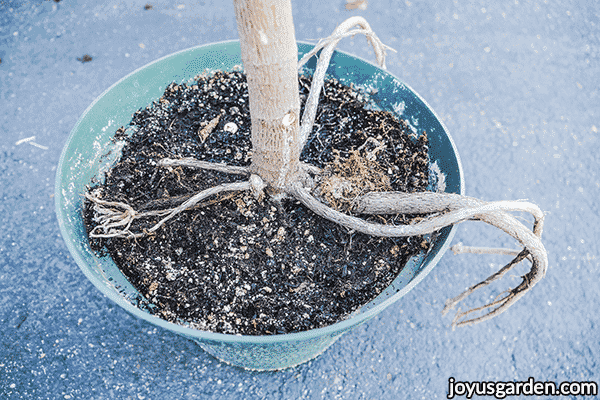
Well-draining soil is essential.
Recommended mix:
• Indoor potting soil
• Perlite or pumice for aeration
• Optional orchid bark for improved drainage
Containers should always include drainage holes.
🌱 Propagation
Rubber Plants are typically propagated through stem cuttings.
Propagation steps:
• Take a healthy stem cutting with several leaves
• Place the cutting in water or moist soil
• Maintain warmth and humidity until roots develop
Air layering is another propagation method used for larger plants.


🌡️ Temperature & Environment
Ideal temperature range:
65–85°F
Rubber Plants prefer:
• Warm environments
• Moderate humidity
• Stable indoor conditions
Avoid cold drafts and temperatures below 55°F.
🌿 Growth Habit
Rubber Plants grow with thick upright stems and large glossy leaves.
Indoors they may reach:
6–10 feet tall with proper care.
Pruning can help control height and encourage branching.

🌱 Thank you for being part of The Botanical Index.
Our goal is to build a growing botanical library filled with honest, practical plant care information that helps both beginners and experienced plant lovers succeed. New plant profiles are added regularly as the index continues to expand.
If there is a plant you would like to see featured in The Botanical Index, feel free to reach out through our contact page and let us know. Your suggestions help shape what we grow next.
Happy growing,
The Botanical Index 🌿
❌ Common Problems
Common issues include:
• Over watering
• Sudden environmental changes
• Low light conditions
• Spider mites or scale insects
Regular observation helps prevent long-term damage.
Add comment
Comments