


Haworthia attenuata
🌿 Quick Facts
- Scientific Name: Haworthia attenuata
- Common Name: Zebra Haworthia
- Plant Type: Succulent perennial
- Native Region: South Africa
- Light: Bright indirect light to partial sun
- Watering: Allow soil to dry completely between watering
- Soil: Fast-draining succulent mix
- Propagation: Offsets (pups)
Zebra Haworthia The Complete Care Guide
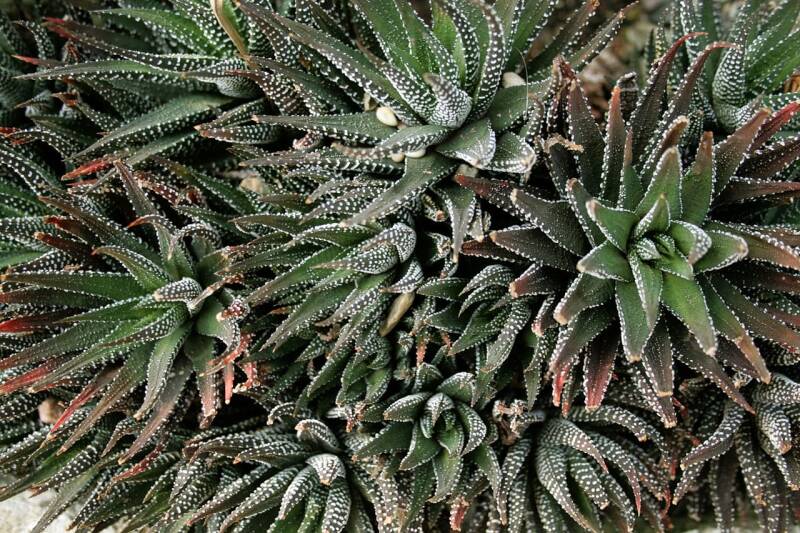
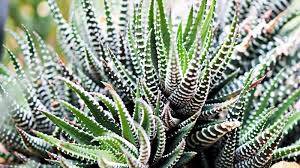
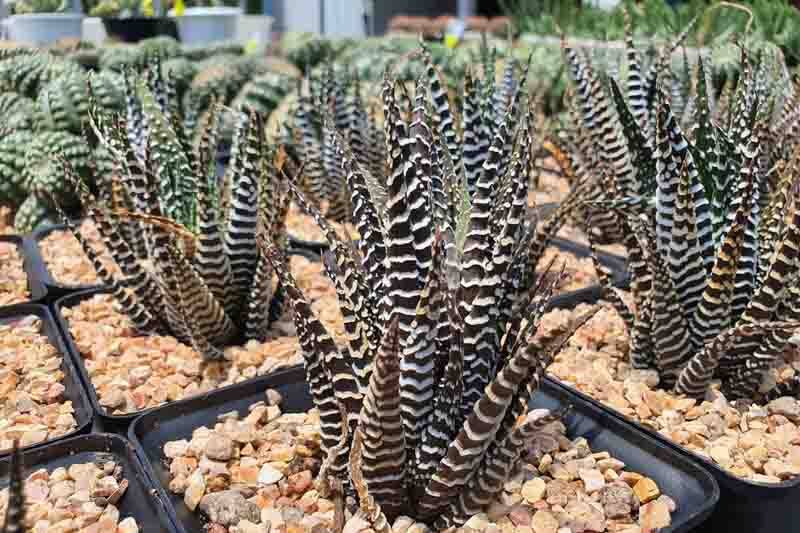
Zebra Haworthia (Haworthia attenuata) is a compact succulent known for its dark green, pointed leaves covered in raised white horizontal stripes, giving it a distinctive “zebra” appearance. Its architectural shape and small size make it ideal for desks, shelves, and small-space plant collections.
It is a popular choice for both beginners and experienced growers because of its resilience, slow growth, and ability to tolerate lower light conditions compared to many other succulents.
This plant fits well into both indoor plant collections and homestead environments, especially where space is limited or lighting conditions are not intense.
🌍 Natural Habitat
Zebra Haworthia is native to the Eastern Cape region of South Africa, where it grows in rocky, well-draining soils, often partially shaded by larger plants or stones.
In its natural habitat, it experiences periods of drought, bright but indirect sunlight, and well-aerated soil with minimal organic moisture retention.
Unlike desert succulents that thrive in full, harsh sun, Haworthia species are adapted to slightly more sheltered conditions, which explains their preference for indirect light and lower light tolerance.
Understanding this habitat helps prevent common issues like sunburn and overwatering.
☀️ Light Requirements
Zebra Haworthia thrives in bright, indirect light and can tolerate moderate light conditions.
- Ideal placement: East-facing window or a few feet back from a bright south- or west-facing window
- Too much light: Direct, intense sun can cause leaf browning, redness, or dry tips
- Too little light: Leaves may elongate and lose their compact rosette form
While it can survive in lower light, optimal lighting will keep the plant compact and maintain strong leaf patterning.
This makes it one of the more adaptable succulents for indoor environments.
💧 Watering
Zebra Haworthia prefers a controlled watering routine with complete drying between cycles.
- Water when: Soil is completely dry throughout the pot
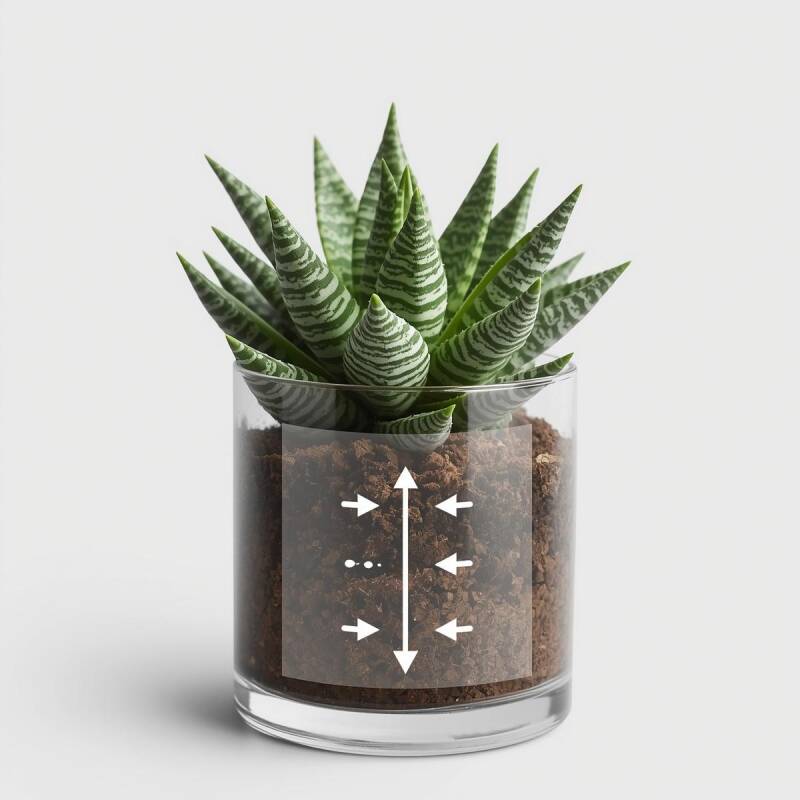
- Watering method: Water deeply, then allow excess to drain fully
- Reduce watering: During winter dormancy or slower growth periods
- Overwatering: Leads to root rot, soft leaves, and base collapse
- Underwatering: Leaves may thin, curl inward, or appear wrinkled
Because it stores water in its thick leaves, it is highly drought-tolerant and sensitive to excess moisture.
Erring on the side of under watering is safer than over watering.
🌱 Soil & Drainage
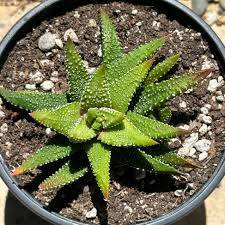
This plant requires extremely well-draining soil to protect its root system.
Recommended mix:
- Cactus or succulent soil (base)
- إضافي perlite or pumice for improved drainage
- Coarse sand or small gravel for structure
Containers must have drainage holes to prevent water from pooling at the roots.
Avoid dense, moisture-retentive soil mixes, which can quickly lead to rot.
🌿 Propagation
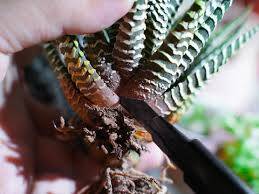
Zebra Haworthia is most easily propagated using offsets (pups).
Steps:
- Remove the plant from its pot
- Gently separate pups growing at the base
- Allow any cut areas to dry for a day
- Plant in dry, well-draining soil
- Water lightly after roots begin to establish
Propagation is slow but reliable, as the plant naturally produces new growth over time.
🌡 Temperature & Environment
Zebra Haworthia prefers temperatures between 60–80°F.
- Humidity: Low to moderate
- Indoor vs outdoor: Ideal for indoor growing; can be outdoors in warm climates
- Avoid: Frost, prolonged cold, and excessive humidity
It tolerates typical indoor humidity levels well, making it a low-maintenance choice.
Good airflow and dry conditions help prevent fungal issues.
🌿 Growth Habit
Zebra Haworthia grows as a compact, rosette-forming succulent.
- Growth speed: Slow
- Mature size: 6–8 inches tall and wide
- Growth pattern: Clumping through offsets
Over time, it forms small clusters, creating a dense grouping of rosettes.
With proper care, it maintains a tight, structured appearance with bold striping.
Thank you for exploring The Botanical Index, a growing botanical library dedicated to organizing plant knowledge in one place.
New plant profiles are added regularly as this index continues expanding. Your curiosity and support help this botanical resource continue to grow.
🌿 Follow along on YouTube and Facebook for daily plant content, care guides, and updates as we continue building this botanical library and homestead journey together.
Add comment
Comments