


Kalanchoe tomentosa
🌿 Quick Facts
- Scientific Name: Kalanchoe tomentosa
- Common Name: Panda Plant, Chocolate Soldier
- Plant Type: Succulent perennial
- Native Region: Madagascar
- Light: Bright light to partial sun
- Watering: Allow soil to dry completely between watering
- Soil: Fast-draining succulent mix
- Propagation: Stem and leaf cuttings
Panda Plant The Complete Care Guide
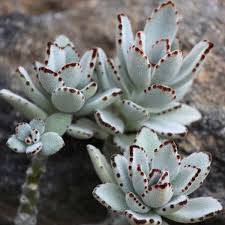
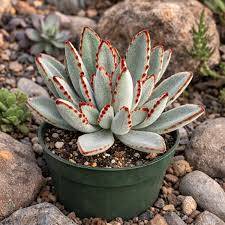
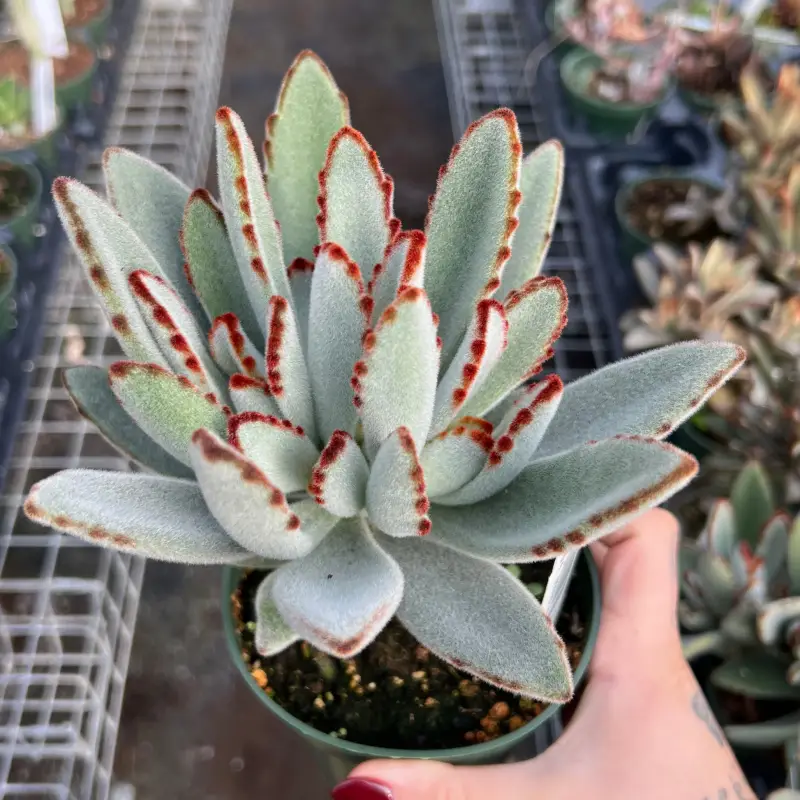
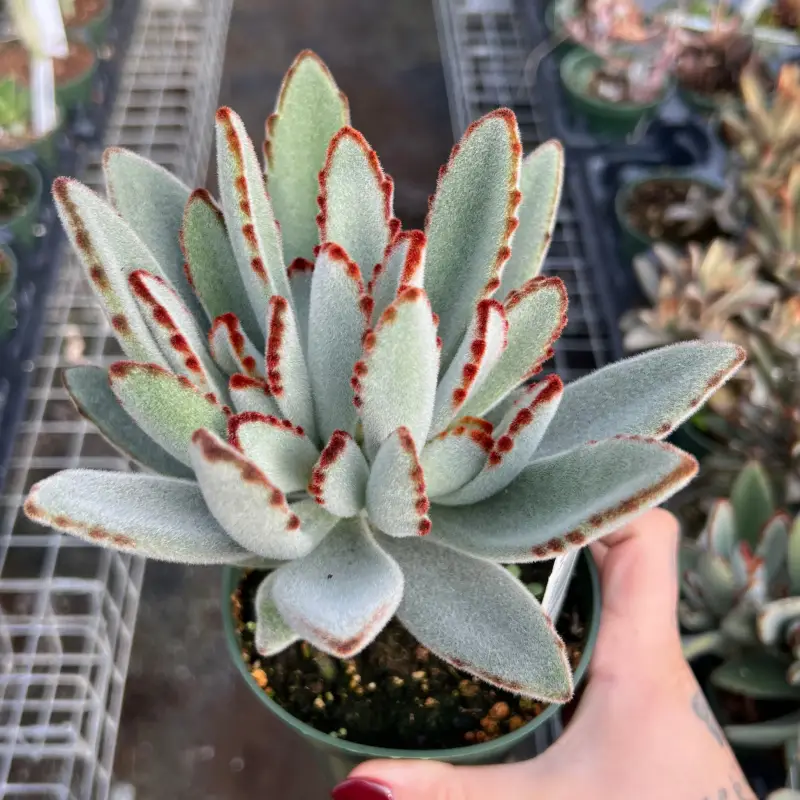
Panda Plant (Kalanchoe tomentosa) is a distinctive succulent known for its thick, velvety leaves covered in fine hairs and accented with brown or chocolate-colored edges. The soft, fuzzy texture gives it a unique visual and tactile appeal that stands out among typical succulents.
It is a popular choice for indoor growers due to its drought tolerance, compact growth habit, and low-maintenance care requirements.
This plant fits well into both indoor plant collections and homestead environments, especially in bright spaces where its texture and color can be fully appreciated.
🌍 Natural Habitat
Panda Plant is native to Madagascar, where it grows in dry, rocky environments with well-draining soil and strong sunlight.
In its natural habitat, it experiences infrequent rainfall, intense light, and warm temperatures. Its fuzzy leaf coating helps reduce water loss and protects it from harsh sunlight.
These adaptations explain why the plant prefers dry conditions, strong light, and minimal humidity when grown indoors.
Understanding this environment is key to avoiding over watering, which is the most common cause of failure with this plant.
☀️ Light Requirements
Panda Plant thrives in bright light and benefits from some direct sun.
- Ideal placement: South- or west-facing window indoors
- Too much light: Sudden exposure to intense direct sun can cause leaf scorch
- Too little light: Growth becomes leggy, and the plant loses its compact shape
Strong light encourages tighter growth and more pronounced leaf edge coloration.
If grown in lower light, the plant will stretch and lose its dense, bushy appearance.
💧 Watering
Panda Plant requires infrequent watering and thrives on a dry cycle.
- Water when: Soil is completely dry throughout the pot
- Watering method: Water deeply, then allow excess to drain fully
- Reduce watering: Significantly during winter when growth slows
- Overwatering: Leads to root rot, mushy stems, and leaf drop
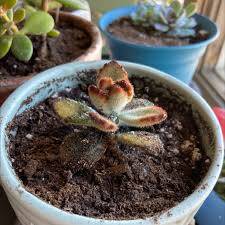
- Underwatering: Leaves may become thinner, wrinkled, or slightly curled
Because of its water-storing leaves, this plant is highly drought-tolerant and sensitive to excess moisture.
A consistent soak-and-dry routine is essential.
🌱 Soil & Drainage
This plant requires fast-draining soil that mimics its native environment.
Recommended mix:
- Cactus or succulent soil (base)
- Perlite or pumice for drainage
- Coarse sand or grit for added structure
Avoid moisture-retentive soils, as they increase the risk of root rot.
Containers must have drainage holes to prevent water accumulation.
🌿 Propagation
Panda Plant can be propagated using stem or leaf cuttings.
Stem cutting method (most reliable):
- Cut a healthy stem segment
- Allow the cut end to dry and callous for a few days
- Plant in dry, well-draining soil
- Water lightly after roots begin to form
Leaf cutting method:
- Remove a healthy leaf cleanly
- Let it callous for several days
- Place on top of dry soil
- Mist lightly until roots and new growth develop
Propagation can be slower than other succulents, but success rates improve in warm, bright conditions.
🌡 Temperature & Environment
Panda Plant prefers temperatures between 60–80°F.
- Humidity: Low
- Indoor vs outdoor: Best suited for indoor environments in most climates
- Avoid: Frost, high humidity, and prolonged cold
High humidity can negatively affect the fuzzy leaves, increasing the risk of rot or fungal issues.
Dry air and good airflow are ideal.
🌿 Growth Habit
Panda Plant grows as a small, upright, branching succulent.
- Growth speed: Slow to moderate
- Mature size: 1–2 feet tall indoors
- Growth pattern: Upright with branching stems over time
As it matures, it may become slightly woody at the base and develop a shrubby appearance.
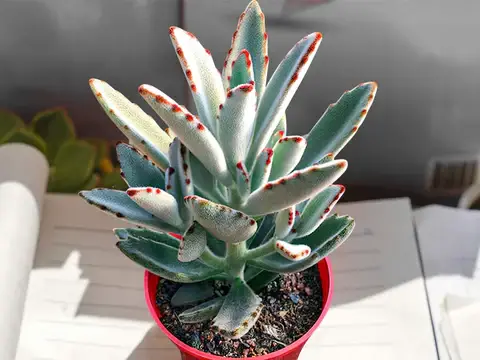
With proper care, it maintains a dense, textured look with soft, fuzzy foliage.
Thank you for exploring The Botanical Index, a growing botanical library dedicated to organizing plant knowledge in one place.
New plant profiles are added regularly as this index continues expanding. Your curiosity and support help this botanical resource continue to grow.
🌿 Follow along on YouTube and Facebook for daily plant content, care guides, and updates as we continue building this botanical library and homestead journey together.
Add comment
Comments