

Quick Facts
Scientific Name: Monstera deliciosa
Common Names: Swiss Cheese Plant, Split-Leaf Monstera
Plant Type: Tropical climbing plant
Native Region: Southern Mexico and Central America
Light: Bright, indirect light
Watering: Allow the top 2 inches of soil to dry between watering
Soil: Chunky, well-draining mix with bark, peat, and perlite
Humidity: Moderate to high humidity preferred
Propagation: Stem cuttings with nodes
Growth Habit: Climbing vine with large fenestrated leaves
Mature Indoor Size: 6–8 feet tall with support
Monstera Deliciosa / Swiss Cheese Plant
If there is one plant that defines modern indoor plant design, it is Monstera deliciosa.
With its bold, split leaves and dramatic tropical presence, this plant has become one of the most recognizable houseplants in the world. But beyond aesthetics, Monstera is a fascinating species with a very specific natural history, and understanding that history is the key to helping it truly thrive indoors.
Let’s cover everything.
🌍 Where Monstera Deliciosa Naturally Grows
Monstera deliciosa is native to the tropical rainforests of southern Mexico and Central America, including countries like Guatemala, Panama, and Costa Rica.
In its natural habitat, it:
-
Grows in warm, humid environments
-
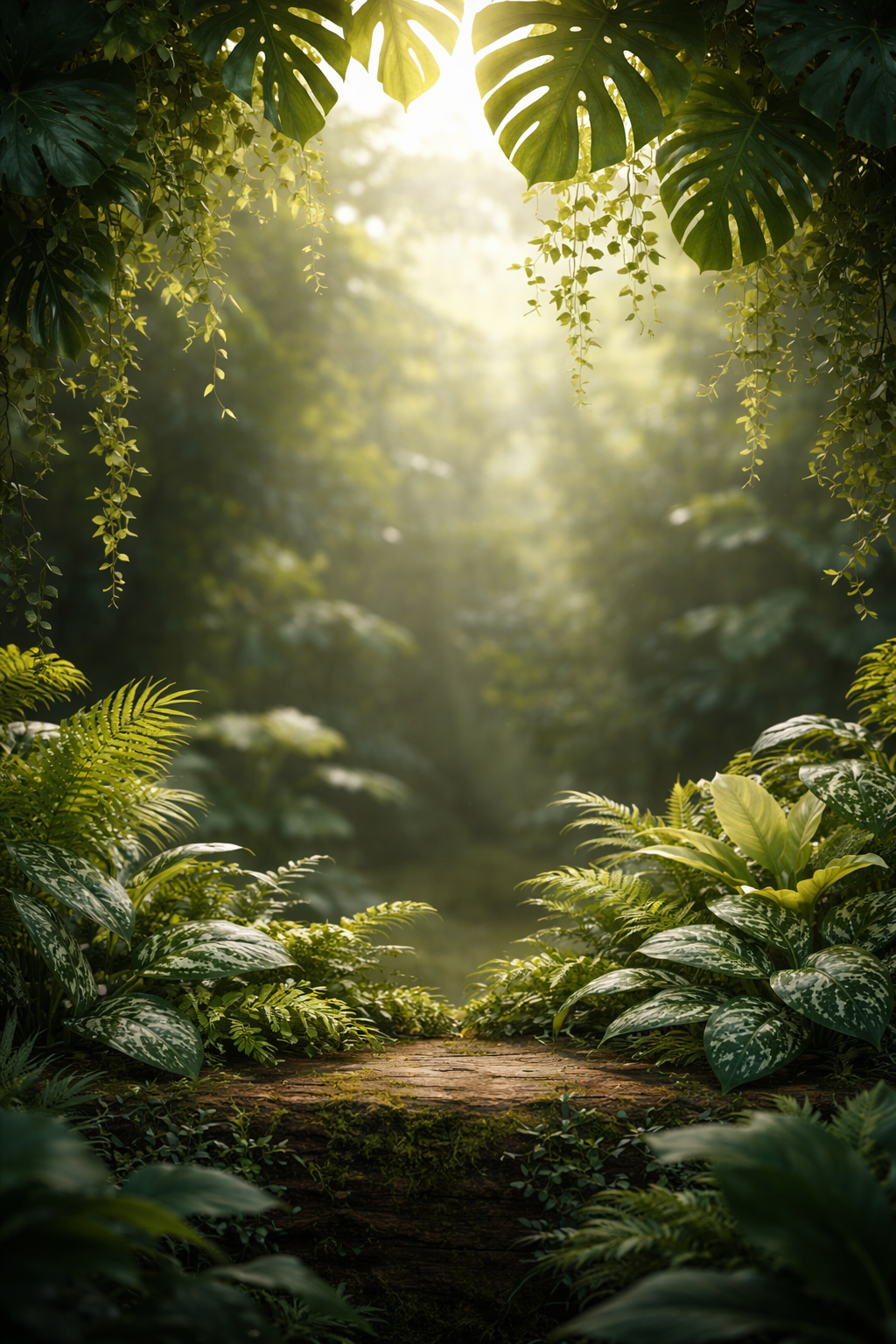
Receives bright, filtered light beneath the rainforest canopy
-
Climbs large trees using aerial roots
-
Anchors itself in loose, organic forest soil
Monstera is not a tree — it is a hemiepiphytic climber. This means it begins life in the ground and then climbs upward toward light, attaching itself to trees as it matures.
In the wild, Monstera leaves can grow over two feet wide, and the plant can climb more than 60 feet high.
This tells us something important:
Monstera doesn’t want to stay small — it wants to climb.


☀️ Light: The Secret to Those Iconic Split Leaves
Monstera thrives in bright, indirect light.
Place it:
-
Near an east-facing window
-
A few feet from a south-facing window
-
In a bright room with filtered sunlight
Low light will keep the plant alive, but it will slow growth and prevent the development of large fenestrations (the natural splits and holes in the leaves).
Too much harsh direct sun, especially afternoon sun, can cause leaf burn that appears as brown or bleached patches.
The ideal lighting mimics rain forest conditions: bright, consistent, but softened.
💧 Watering: Balance Is Everything
Over watering is the most common mistake with Monstera deliciosa.
This plant prefers soil that is lightly moist, but never soggy.
Here’s the safest method:
-
Check the top two inches of soil
-
If dry, water thoroughly until drainage occurs
-
Empty the saucer
-
Allow soil to partially dry before watering again
In most indoor conditions, this means watering every 7–10 days, though this varies based on light, humidity, and pot size.
Signs of over watering:
-
Yellow leaves
-
Soft stems
-
Root rot
-
Soil that smells sour
Signs of under watering:
-
Drooping leaves
-
Crispy edges
-
Slow growth
Monstera appreciates consistency more than frequency.


🌱 Soil & Drainage: Supporting a Tropical Root System
Because Monstera is a climbing rainforest plant, it prefers aerated, well-draining soil.
A good indoor mix includes:
-
Quality potting soil
-
Perlite for drainage
-
Orchid bark for airflow
Always use a container with drainage holes.
Dense soil suffocates roots. Healthy roots produce large, glossy leaves.
Re-pot every 1–2 years as the plant grows. Monsteras grow relatively quickly under ideal conditions.
🌿 Climbing Support: A Critical Factor
This is often overlooked.
Monstera naturally climbs trees using aerial roots. Indoors, without support, it will sprawl.
Using a moss pole or plant stake:
-
Encourages vertical growth
-
Promotes larger leaves
-
Supports stronger stems
-
Can increase fenestration development
When allowed to climb, the plant behaves more like it does in nature.


🌡️ Temperature & Humidity
Ideal temperature range:
65–85°F
Monstera thrives in moderate to high humidity but adapts well to average household conditions.
Avoid:
-
Cold drafts
-
Air conditioning vents
-
Sudden environmental shifts
Consistent warmth encourages steady growth.
🌼 Fertilizing & Growth Cycle
During spring and summer:
-
Feed once a month with a balanced liquid houseplant fertilizer
In fall and winter:
-
Reduce or pause feeding as growth slows
Under the right conditions, you’ll notice:
-
Larger leaves over time
-
Increased fenestration
-
Stronger upward growth
-
Occasional aerial root development
Fun fact: The name “deliciosa” refers to the edible fruit it produces in the wild, which tastes similar to a blend of pineapple and banana when fully ripened.


❌ Common Reasons Monstera Declines
Most problems stem from:
-
Insufficient light
-
Chronic overwatering
-
Poor drainage
-
Lack of climbing support
-
Ignoring early warning signs
Leaf yellowing and slow growth are communication — not random failure.
Plants always tell you what they need if you observe closely.
🌿 Why Monstera Deliciosa Deserves Its Place in The Botanical Index
It rewards patience.
It responds to structure.
It thrives when supported.
It may not be the simplest plant for beginners, but when understood properly, it becomes one of the most rewarding.
And that’s what plant care is really about — learning how to create environments where living things can grow confidently
I truly appreciate every reader who takes the time to learn, observe, and grow alongside these plants. The Botanical Index continues to expand because of this shared curiosity.
If there’s something you’d like me to expand on or a Monstera topic you’d like covered next, let me know.
We’re building this botanical library together — one plant at a time. 🌿
Add comment
Comments