


Oxalis triangularis
Scientific Name: Oxalis triangularis
Common Name: Purple Shamrock
Plant Type: Bulbous ornamental houseplant
Native Region: Brazil (South America)
Light: Bright, indirect light
Watering: Allow top inch of soil to dry between watering
Soil: Well-draining, light potting mix
Propagation: Bulb division
Oxalis Triangularis Care Guide
Oxalis triangularis, commonly known as the Purple Shamrock, is a striking ornamental plant loved for its deep purple, triangular leaves and delicate flowers. One of its most fascinating features is its natural movement—its leaves open during the day and close at night, responding to light in a process called nyctinasty.
This plant is both decorative and dynamic, making it a favorite for indoor plant collectors. With proper care, it can produce small white or pale pink flowers that contrast beautifully against its bold foliage.
🌍 Natural Habitat
Oxalis triangularis is native to Brazil, where it grows in warm, tropical environments with filtered sunlight and well-draining soil.
In its natural habitat, it experiences cycles of growth and dormancy depending on seasonal conditions. This is important to understand, as indoor plants may also enter periods of dormancy, which is completely normal and part of its natural life cycle.
Replicating these conditions indoors will help maintain healthy growth and encourage seasonal blooming.


☀️ Light Requirements
Oxalis thrives in bright, indirect light.
Ideal placement includes:
-
Near an east-facing window for gentle morning sun
-
Bright rooms with filtered sunlight
-
Avoiding intense afternoon sun that can scorch leaves
Light directly affects the plant’s color and movement:
-
Too little light → dull color and leggy growth
-
Too much direct sun → leaf burn or fading
Proper lighting will keep the leaves vibrant and encourage flowering.
💧 Watering
Oxalis triangularis prefers a moderate watering routine.
Watering tips:
-
Water when the top inch of soil is dry
-
Avoid overwatering, as bulbs can rot easily
-
Ensure excess water drains completely
-
Reduce watering during dormancy
Over watering is one of the most common issues and can quickly damage the plant’s underground bulbs.

🌱 Soil & Drainage
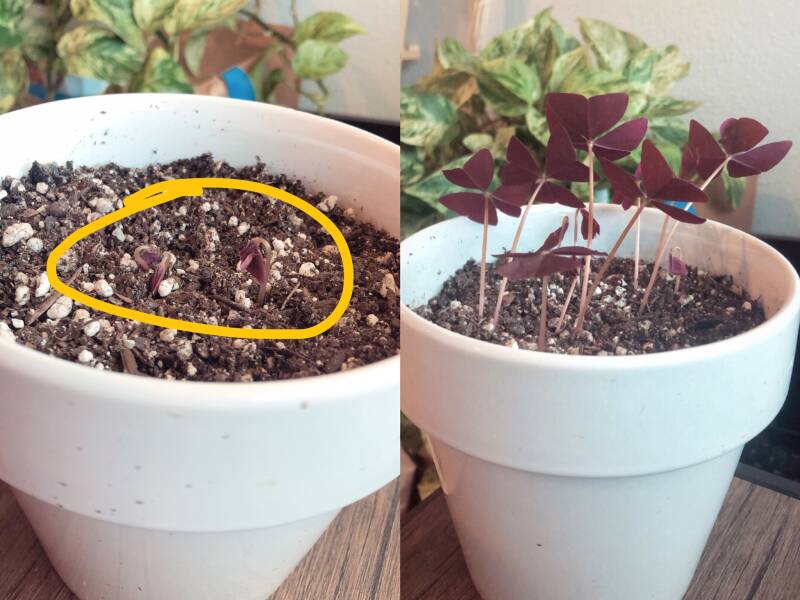
This plant requires light, well-draining soil to protect its bulb system.
A good mix includes:
-
Standard potting soil
-
Perlite or sand for drainage
-
Optional compost for nutrients
Good drainage is essential, as compact or waterlogged soil can lead to bulb rot and fungal issues.
🌿 Humidity & Temperature
Oxalis triangularis adapts well to typical indoor conditions but prefers:
-
Temperature: 60–75°F (16–24°C)
-
Humidity: Moderate humidity
It does not require high humidity like tropical plants, making it easier to care for in most homes. However, extremely dry air may cause slight leaf crisping.
🌱 Propagation
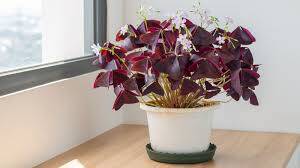
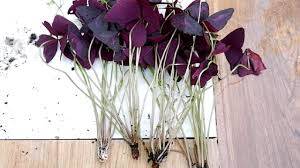
Oxalis is easily propagated through bulb division, making it a great plant to multiply.
Steps for propagation:
-
Remove the plant from its pot
-
Gently separate the small bulbs (corms)
-
Replant in fresh soil
-
Water lightly and place in bright, indirect light
New growth typically appears within a few weeks under proper conditions.
🌙 Dormancy (Important)
One unique aspect of Oxalis triangularis is its natural dormancy cycle.
Signs of dormancy include:
-
Leaves wilting or dying back
-
Slowed or stopped growth
What to do:
-
Reduce watering significantly
-
Allow the plant to rest for 2–6 weeks
-
Resume normal watering when new growth appears
Dormancy is completely normal and not a sign of plant failure—it’s part of the plant’s natural rhythm.

🌿 Growth Habit
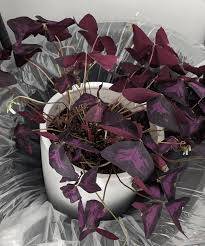
Oxalis triangularis grows from small underground bulbs and produces clusters of delicate stems topped with triangular leaves.
The plant typically stays compact (6–12 inches tall), making it ideal for desks, shelves, and windowsills.
With proper care, it will:
-
Continuously produce new leaves
-
Occasionally bloom small flowers
-
Cycle through active growth and dormancy
Its unique movement and bold color make it one of the most visually interesting houseplants.
Thank you for exploring The Botanical Index, a growing botanical library dedicated to organizing plant knowledge in one place.
New plant profiles are added regularly as this index continues expanding. Your curiosity and support help this botanical resource continue to grow.
🌿 Follow The Botanical Index on YouTube and Facebook for new plant care guides and plant information every day.
Add comment
Comments