


Quick Facts
Scientific Name: Sansevieria trifasciata or Dracaena
Common Names: Snake Plant, Mother-in-Law’s Tongue
Plant Type: Succulent perennial
Native Region: West Africa
Light: Bright indirect light to low light tolerant
Watering: Allow soil to dry completely between waterings
Soil: Fast-draining cactus or succulent soil mix
Humidity: Average household humidity
Propagation: Division or leaf cuttings
Growth Habit: Upright sword-shaped leaves emerging from rhizomes
Mature Indoor Size: 1–4 feet depending on variety
Sansevieria / Dracaena trifasciata, Also Known As The Snake Plant
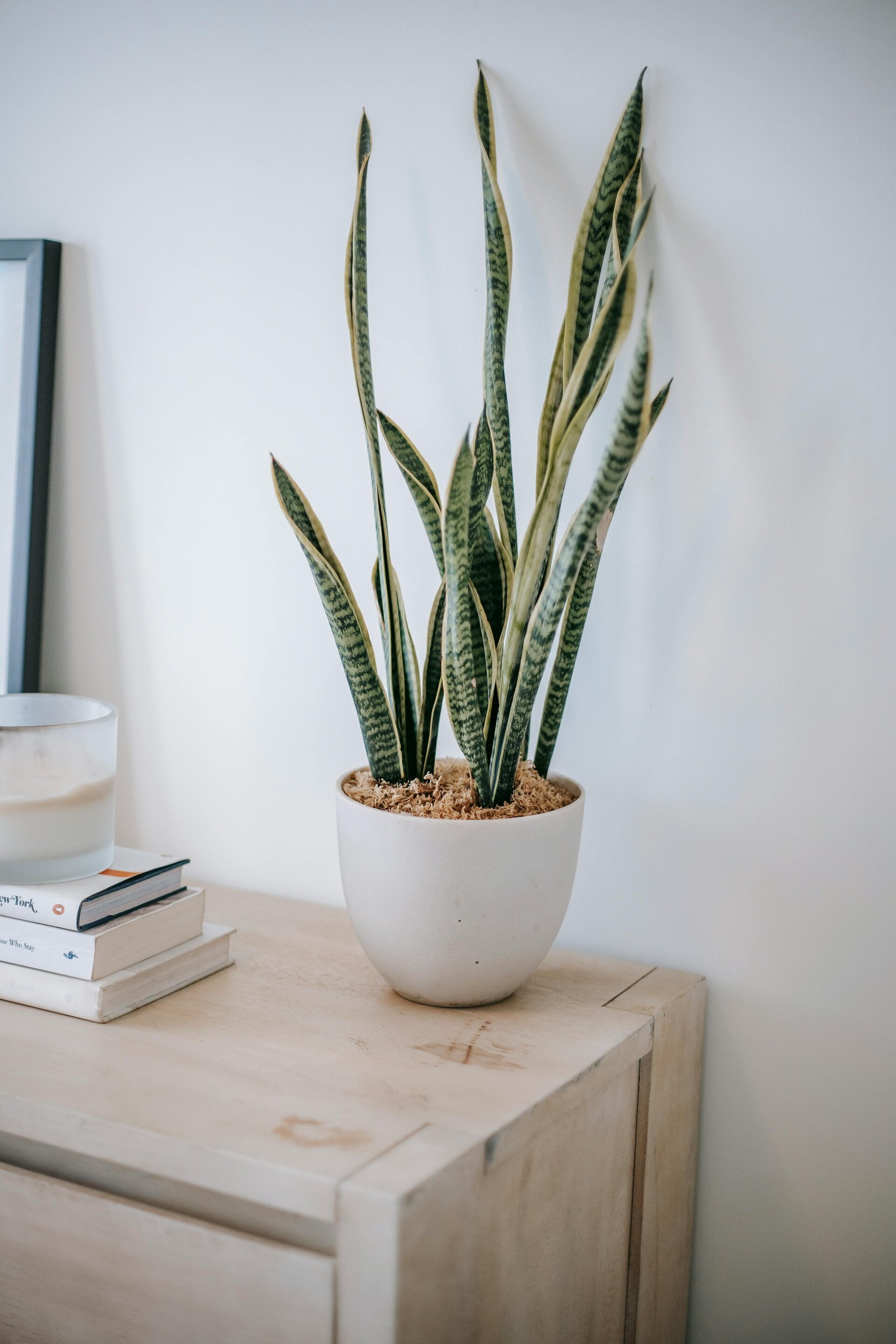
If there is one plant that has earned its reputation for resilience, it is the Snake Plant. Known scientifically as Dracaena trifasciata (formerly classified as Sansevieria trifasciata), and commonly called Mother-in-Law’s Tongue, this plant is one of the most forgiving and adaptable houseplants you can grow.
But here’s something important: resilient does not mean indestructible.
When you truly understand where this plant comes from and how it evolved, caring for it becomes simple — and your plant will do far more than just survive.
Let’s cover everything.

🌍 Where the Snake Plant Naturally Grows
The Snake Plant is native to West Africa, particularly regions of Nigeria and the Congo.
Unlike tropical rainforest plants, this species evolved in dry, rocky environments with:
-
Warm temperatures
-
Infrequent rainfall
-
Sandy, fast-draining soil
-
Bright light exposure
It is technically a succulent. Its thick, upright leaves store water, which allows it to survive periods of drought.
This natural adaptation explains why overwatering is the number one threat to its health.
Understanding its origin tells us something essential:
The Snake Plant thrives on neglect — but only when that neglect mimics dry, stable conditions.


☀️ Light Requirements: Surprisingly Flexible
One reason Snake Plants are so popular is their ability to tolerate a wide range of light conditions.
Ideal light:
-
Bright, indirect light
-
Several hours of natural daylight
It can tolerate:
-
Low light rooms
-
Artificial lighting
However, while it survives in low light, growth will slow significantly. Leaves may become thinner, and variegation may fade.
Too much intense, direct afternoon sun can cause leaf burn.
For best results, place it:
-
Near an east-facing window
-
In a bright room with filtered light
-
Or a few feet back from a south-facing window
It doesn’t need perfection — just consistency.
💧 Watering: Less Is More
If there is one rule for Snake Plant care, it is this:
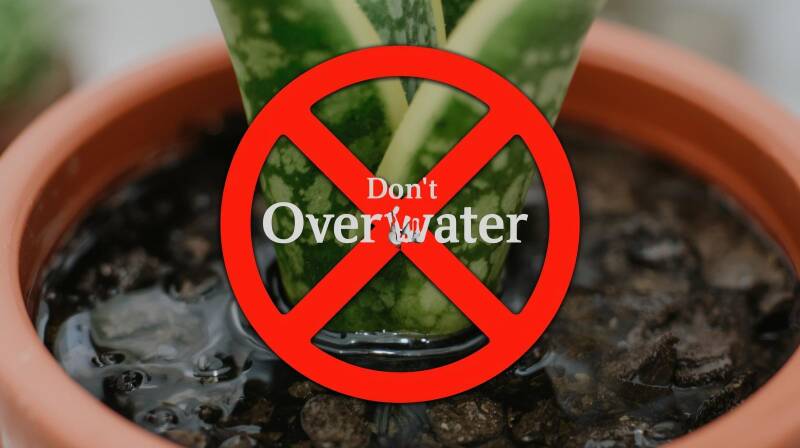
Do not over water.
Because the plant stores water in its leaves, it prefers to dry out completely between waterings.
Here is the safest approach:
-
Allow the soil to dry out entirely
-
Check deep into the pot, not just the surface
-
Water thoroughly, then allow full drainage
In most homes, this means watering every 2–3 weeks. In winter, even less.
Signs of overwatering:
-
Soft, mushy leaves
-
Yellowing
-
Foul-smelling soil
-
Base rot
Signs of underwatering:
-
Slight wrinkling
-
Very dry, pulling soil
The Snake Plant would rather be too dry than too wet.
Root rot is the primary cause of failure, and it is almost always preventable.


🌱 Soil & Potting: Drainage Is Everything
This plant needs well-draining soil.
Best options:
-
Cactus or succulent mix
-
Standard potting soil amended with perlite or sand
Always use a pot with drainage holes.
Avoid:
-
Heavy garden soil
-
Decorative pots without drainage
-
Constantly damp conditions
Re-pot only when root bound, typically every 2–3 years.
Snake Plants actually prefer being slightly tight in their containers.
🌡️ Temperature & Humidity
Ideal temperature range:
65–85°F
It tolerates average household humidity easily.
Avoid:
-
Freezing temperatures
-
Cold drafts
-
Sudden temperature shifts
While adaptable, prolonged cold exposure can damage leaf tissue.


🌿 Growth & Structure
Snake Plants grow upright with sword-like leaves emerging from a central rhizome system beneath the soil.
Over time, they produce “pups” — small offshoot plants that can be divided and repotted.
This makes propagation simple:
-
Separate a pup with roots attached
-
Repot in fresh, well-draining soil
-
Water lightly
They are slow to moderate growers but extremely long-lived when cared for properly.
🌼 Fertilizing
During spring and summer:
-
Feed once a month with diluted balanced houseplant fertilizer
In fall and winter:
-
Stop fertilizing
Too much fertilizer can burn roots and damage leaves.
With Snake Plants, subtle care is always better than aggressive feeding.

❌ Common Mistakes
The most common reasons Snake Plants decline include:
-
Overwatering
-
Poor drainage
-
Extremely cold conditions
-
Ignoring soft or rotting leaves
Most problems develop slowly. Early signs are usually visible if you pay attention.
💛 My Personal Experience
When I first added a Snake Plant to my collection, I underestimated it.
I thought because it was “low maintenance,” it didn’t need attention at all.
At one point, I overwatered it thinking I was helping. Within weeks, one of the leaves became soft near the base. That was my wake-up call.
Once I adjusted my watering routine and allowed the soil to dry completely between waterings, it stabilized.
Today, that same plant stands tall and strong. It has even produced new pups, something that feels incredibly rewarding because it shows the plant is not just surviving, but thriving.
It taught me something important:
Low maintenance does not mean no maintenance. It means thoughtful restraint.
The Snake Plant represents resilience.
It adapts.
It tolerates.
It endures.
But when given proper light, well-draining soil, and careful watering, it does more than endure — it flourishes.
For beginners, it builds confidence.
For experienced plant owners, it adds structure and contrast to a collection.
And for me, it represents patience and balance.

I genuinely appreciate every one of you who reads these guides and grows alongside me. This journey is about more than just plants, it’s about learning how to observe, adjust, and create environments where living things thrive.
If there’s anything you’d like me to expand on or if you have questions about your own Snake Plant, leave a comment and let me know.
We’re building this knowledge together — one plant at a time. 🌿
Add comment
Comments